

Did you say "Root beer"?
As its name suggests, it is a traditional recipe, made from roots.
Aromatic roots AND aromatic spices.
Usually very sweet, but the roots still have detox and digestive properties.

In autumn, it feels good to warm up with hot drinks, or even better, hot spiced drinks!
Indeed, the spices in chais are warming and digestive, in addition to having excellent antiseptic qualities that will help you fight infections.
This makes it a comforting drink to start or end the day, and even after meals.
Chai masala is ideal for all of this, and we have several options you can see here, and keep reading!
Our chai products:


Chai or Chai Masala (pronounced cha-ee massala), now well-known, means spiced tea.
Fun fact: the word "chai" just means "tea"; it's only when accompanied by the word "masala" that it becomes the spiced and sweetened tea found in India.
There are a plethora of variations on the market: pumpkin chai, dirty chai which is actually coffee with chai spices, chai-flavored syrups for coffees, black tea bags with a few spices, the latter being so disappointing in my opinion.
The true preparation of chai involves a decoction of spices, which takes longer to make but the result is incredibly worth it.
A decoction, simply put, means simmering plant parts over low heat for a given amount of time.
Black tea is only added when the spices have finished simmering, then milk and sugar are added. See the recipe below!
To simplify things, you can prepare a large quantity in advance and refrigerate it.
Although there are traditional recipes in India depending on the region, the pleasure with chai is to create a personalized blend with spices to our taste.
Making it yourself allows you to determine the flavors you like best and go in that direction, or even "pimp" your chai with other tonic medicinal plants such as ginseng, eleuthero, goji or astragalus, and literally transform your chai into a powerful tonic for your energy and immunity.
Here are some spices from our inventory that you can use.
Extreme Chai - a ready-made very hot spice blend, which can also be used to make mulled wine!

Star Anise - origin of the black licorice flavor, to be used sparingly

Cinnamon - Warm and comforting, cinnamon also has many medicinal benefits, advantageous for Kapha people

Cardamom - airy and persistent fragrance, the 2nd most expensive spice in the world, cardamom brings exoticism to preparations
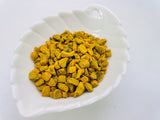
Turmeric - bitter, very earthy flavor that adds a dose of very useful antioxidants.
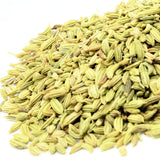
Fennel; sweet and aniseed digestive


Licorice - for a sweet touch, to be avoided in case of high blood pressure.
Come explore our inventory in person to smell the different options!
One can certainly prepare chai traditionally with black tea, but if you're like me and want to avoid caffeine (also called theine), you can advantageously replace tea with chaga.
This is a wonderful way to adapt this Indian recipe and add a local touch while enhancing the medicinal qualities of your beverage.

Indeed, chaga, this peculiar boreal mushroom, is recognized as a powerful antioxidant. It is a major aid to those suffering from chronic inflammation by helping to control inflammation through its antioxidant action.
This recipe is very mild; you can add more spices if you want something stronger.
As its name suggests, it is a traditional recipe, made from roots.
Aromatic roots AND aromatic spices.
Usually very sweet, but the roots still have detox and digestive properties.
Looking for suggestions by plant property or health concern?
Find them here.
Read Usage and Responsibility.
Many people are looking for natural ways to boost their energy. They turn to plants, the most popular being, of course, TEA (!), coffee, yerba mate, and chocolate.
But if you want to avoid caffeine, what should you turn to?
Read this article to find out more!

